The University of Sheffield gives me a new study to love (bold mine):
The study, reported in the Nursing Standard magazine, found all the 250 patients aged between four and 16 they quizzed disliked the use of clowns, with even the older ones finding them scary.
“As adults we make assumptions about what works for children,” said Penny Curtis, a senior lecturer in research at the university.
“We found that clowns are universally disliked by children. Some found them quite frightening and unknowable.”
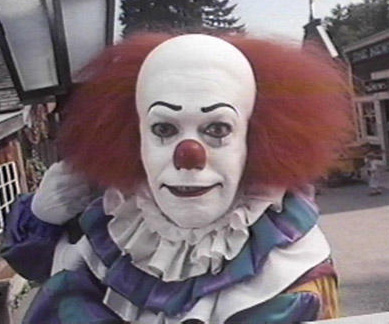
No one likes a ruffled collar
Let’s dissect.
1. Even older kids find clowns scary
Many adults find clowns scary, too.
I’m not sure how clowns gained popularity in the first place. I’m guessing it started with the circus.
At the circus, everyone sits a reasonable distance from the clowns. The clowns’ antics make us smile. Then, someone said “Hey, they should have a service where you can rent a clown for your own amusement.” Then, you see the clowns up close – not so entertaining anymore.
2. Adults make assumptions about what works for children
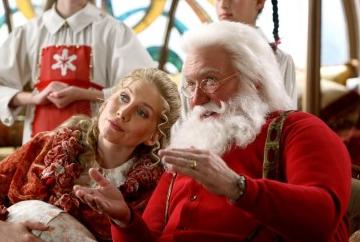
We’ll call this “Santa Syndrome.”
I have seen so many Santa freakout pictures, I think it’s safe to assume that all children are innately scared of Santa.
However, Santa is able to purchase kids’ affection by showering them with gifts year after year. Santa gets reinforced with strong branding throughout the season. Kids eventually get over Santa’s frightening nature, thanks to a phenomenal payoff.
Clowns don’t get a yearly appreciation event, and the gifts they give are balloon animals – not exactly a gift that keeps on giving.